

What Will Happen If the Aravalli Hills Are Destroyed? (And Why You Should Care)
The Forgotten Guardians of North India
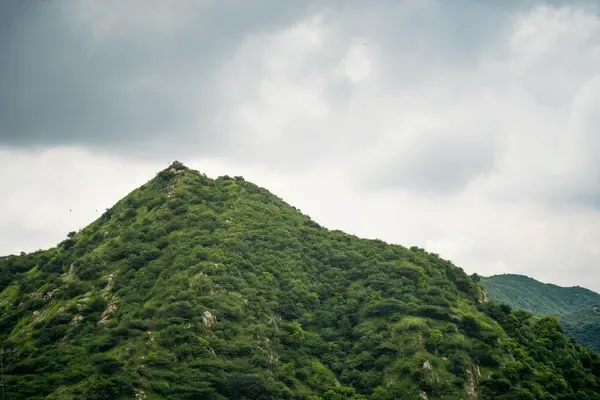
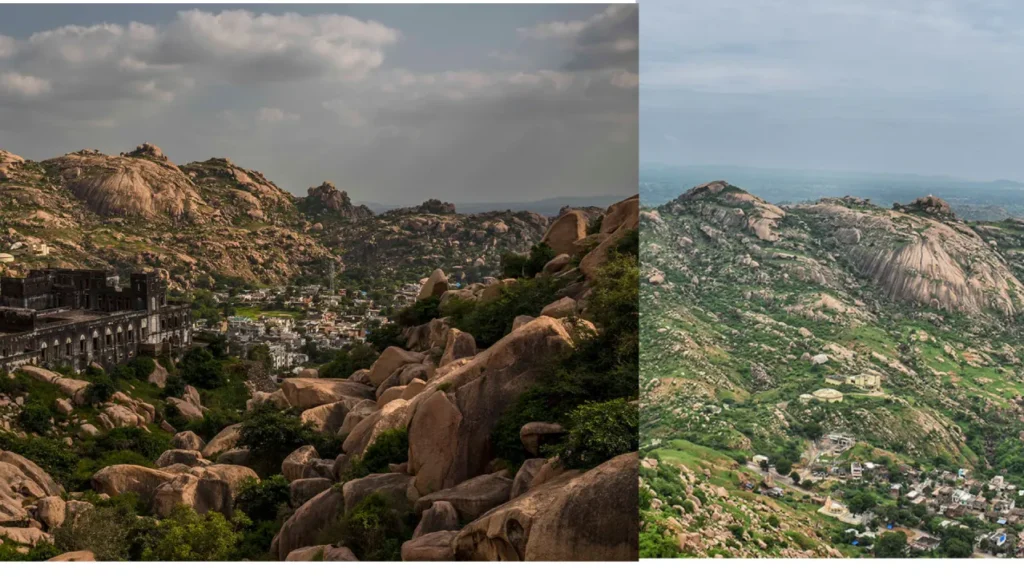
Have you ever taken a road trip through Rajasthan or Haryana and caught a glimpse of those rugged, brownish hills stretching far into the horizon? That’s the Aravalli Range — one of the oldest mountain systems on Earth, older than the Himalayas!
But here’s the scary truth: those hills are dying. Bit by bit, mine after mine, concrete after concrete, the Aravallis are disappearing. And if they’re gone for good? Let’s just say — you might not recognize North India anymore.
Honestly, it’s not just about “losing” mountains. If the Aravallis vanish, the entire ecology, weather patterns, and even the way we breathe in Delhi-NCR could take a nosedive.
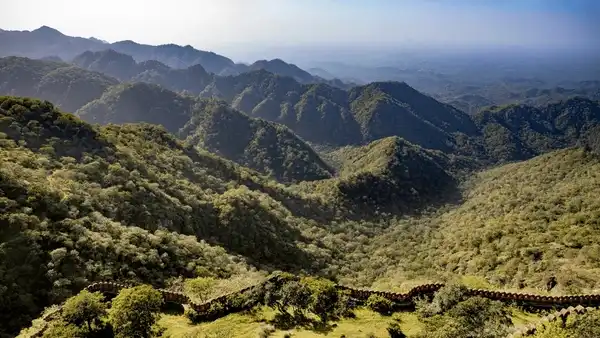
Let’s dive in and see how deep this problem goes.
The Ancient Soul of the Subcontinent
Before we talk doom and gloom, it’s worth understanding what the Aravallis actually are.
Stretching from Gujarat through Rajasthan and ending in Delhi, this ancient mountain range has been standing tall for around 1.8 billion years. That’s mind-blowing — back when there weren’t even dinosaurs on Earth, the Aravallis were already chilling here!
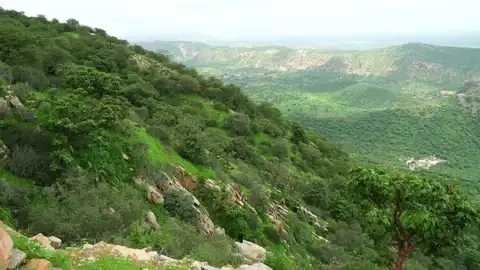
These hills have acted as a climate barrier, preventing the Thar Desert from creeping eastward. They recharge groundwater, regulate monsoons, and even influence local rainfall in Delhi, Gurugram, and parts of UP.
So… What If They’re Gone?
Let’s keep it simple and real. Here’s what’ll happen if the Aravallis are destroyed.

1. North India Will Start Feeling Like a Desert
No kidding. Without the Aravalli range blocking sandstorms, the Thar Desert will expand eastward. Imagine desert-like conditions creeping into Gurgaon, Delhi, and Noida — dust storms becoming common, dry winds replacing the little cool breeze we get, and the air turning worse than it already is.
Right now, the range acts like a natural dust barrier. Destroy it, and Delhi’s pollution will get a 10x boost.
2. Underground Water Will Run Out Faster
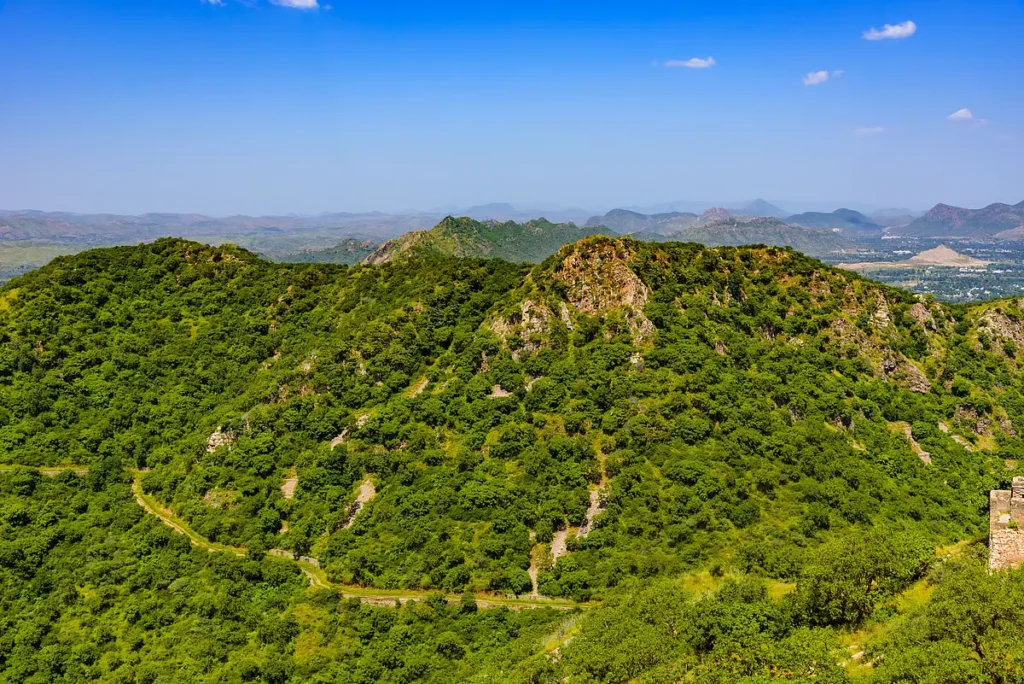
Have you ever noticed how borewells near the Aravallis still give relatively better water? That’s because these rocks are natural aquifers — they trap and store rainwater that seeps deep into the ground.
Once mining flattens those rocks and forests vanish, the recharge ability vanishes too. So good luck finding water without paying a fortune for tankers or bottled water one day.
3. Delhi-NCR’s Air Quality Will Hit “Unlivable” Levels
If you think AQI 400 is bad, wait till it hits 800. The Aravallis currently act like Delhi’s “lungs,” catching dust, adding moisture, and cooling down the air slightly. With them gone, heat will build up, wind patterns will change, and air won’t circulate properly.
That means more smog, more illnesses — and, honestly, a lot more cranky mornings.
4. Wild Animals Will Lose Their Homes
Leopards, hyenas, foxes, peacocks — they all call the Aravallis home. When deforestation and illegal mining strip the hills bare, these animals lose both food and shelter. Human-wildlife conflicts will spike, biodiversity will collapse, and soon, our only leopards will be photos from 2015.

5. Flash Floods and Heatwaves Will Become Routine
Think of the Aravallis like a sponge. They soak up rainwater and release it gradually, keeping floods at bay. Without them, heavy rains will flow unchecked into cities — floods in monsoon, droughts in summer.
And the green cover that once absorbed heat? Gone. So get ready for 50°C summers becoming the new normal.
Firsthand Glimpse: My Trip to a “Disappearing Hill”
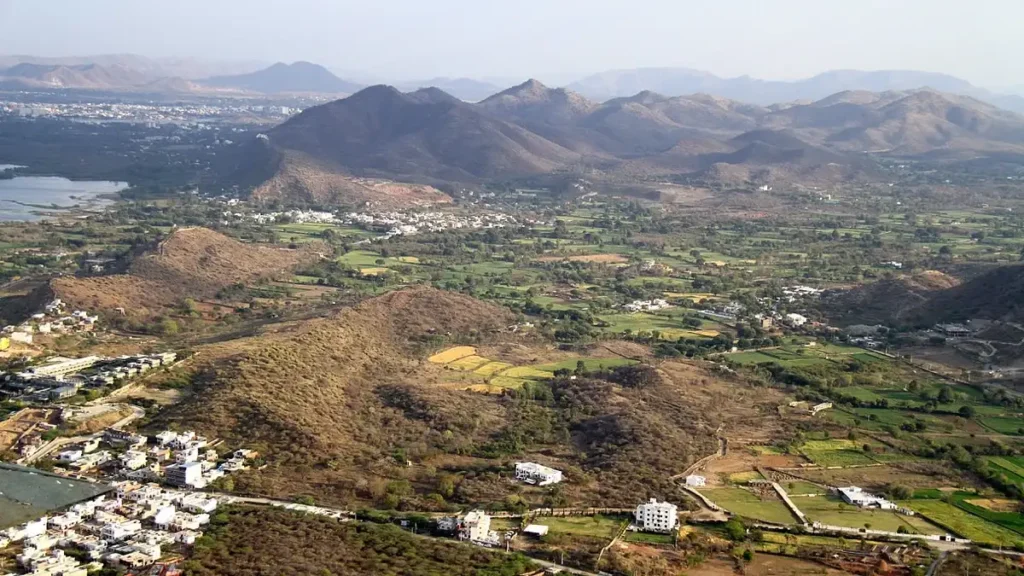
I still remember driving through an area near Bhiwadi (Rajasthan) last year. The Google Maps showed a mountain ridge — but in front of me, there were only dust mounds, cranes, and trucks. Locals said the mountain had been “cut” over the past two decades for stone mining.
It felt surreal. It was like watching someone erase a piece of Earth’s history with an eraser made of greed.
Why Are We Letting This Happen?
That’s the million-rupee question.
The short answer: illegal mining, urban expansion, and policy loopholes. Despite a Supreme Court ban on mining in parts of the Aravallis, hundreds of illegal operations run at night. Add to that the exploding real estate demand around Gurugram and Faridabad, and the mountains don’t stand much of a chance.
Some developers even flatten hilltops to create “view” plots — ironic, right?

How It Affects You (Even If You Don’t Live Nearby)
You might think, “Well, I live in Lucknow or Mumbai; why should I care about some hills in Rajasthan?”
Here’s why you should:
-
The Aravallis influence monsoon patterns across northern and central India.
-
Their destruction means worse air for multiple states.
-
They’re a part of India’s carbon sink system — their loss adds to global warming.
-
Rising desertification increases heatwaves everywhere.
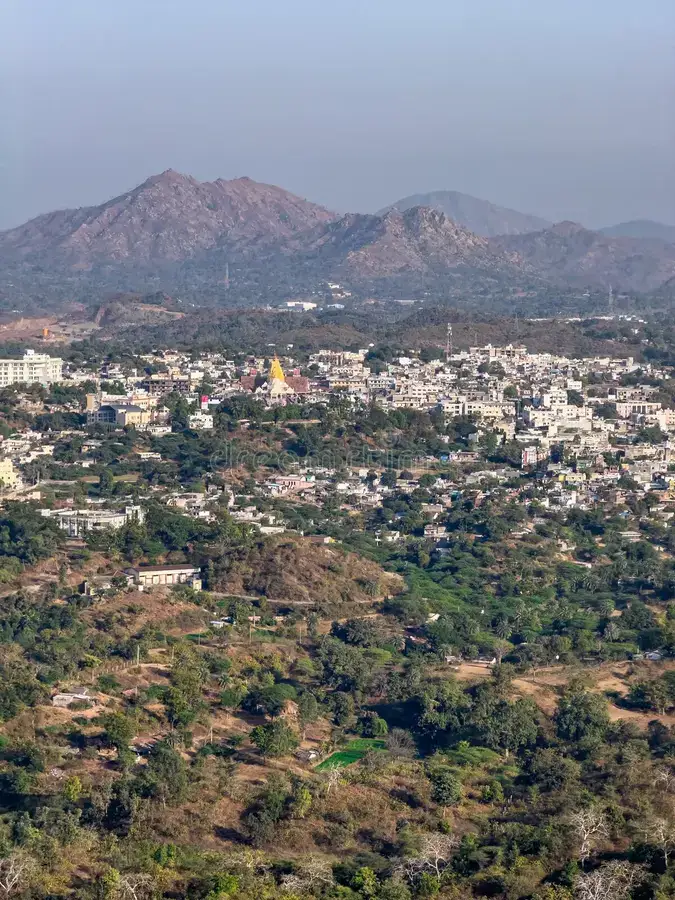
So, even if you’re miles away, you’ll feel the impact — maybe not today, but definitely soon.

Can We Still Save the Aravallis?
Here’s the good news — yes, but not without serious effort.
1. Enforce Mining Bans Strictly
No more loopholes or “temporary licenses.” Strict enforcement using drones and satellite images can shut down illegal operations.
2. Boost Reforestation Projects
States like Haryana and Rajasthan need massive reforestation drives, not token sapling events. Let’s get community-driven replanting programs going.
3. Eco-Tourism Over Exploitation
Turn the Aravallis into green tourist destinations instead of quarry zones. Promote hiking, photography, and eco-lodging — it’s profitable and sustainable.
4. Awareness and Action
Educated citizens are powerful. We can push local governments for stricter policies, participate in plantation drives, and boycott projects harming the ecosystem.
FAQs About the Aravalli Destruction
1. What’s the main cause of Aravalli degradation?
Illegal mining and deforestation. Rapid urban development adds pressure too.
2. Which states will suffer most if the Aravallis disappear?
Haryana, Rajasthan, Delhi, and parts of Gujarat and Uttar Pradesh.

3. Can the desert actually expand?
Yes! Experts warn that without the Aravallis, the Thar Desert will spread eastward up to Delhi-NCR.
4. Is there any government initiative to restore them?
Yes, the Aravalli Green Wall Project and CAMPA-funded reforestation efforts are ongoing, but progress is slow.
5. What can citizens do to help?
Reduce construction waste, support green campaigns, avoid illegal stone products, and raise awareness on social media.
So, What’s the Bottom Line?
If the Aravalli Hills are destroyed, North India will lose its natural shield — its last line of defense against desertification, deadly pollution, and water scarcity.
The damage wouldn’t just be ecological; it’d be existential.
So, the next time someone calls these hills “just rocks,” remind them — those rocks breathe life into half of northern India.
🌿 Your Turn
What do you think? Should stricter mining laws be enforced, or can eco-tourism actually save what’s left of the Aravallis?
Drop your thoughts in the comments — real change starts when people talk. Share this post with your friends and start the conversation.
Together, we might just save a billion-year-old guardian before it’s too late. 🌍