

What is auto blogging in 2026?
Auto blogging in 2026 sits in a weird place: it’s insanely powerful if you use AI as a smart assistant, and absolutely dangerous if you use it like a content vending machine trying to flood Google. The difference between a scalable publishing system and a spam farm now comes down to intent, editing, and how seriously you treat EEAT.
What is auto blogging in 2026?
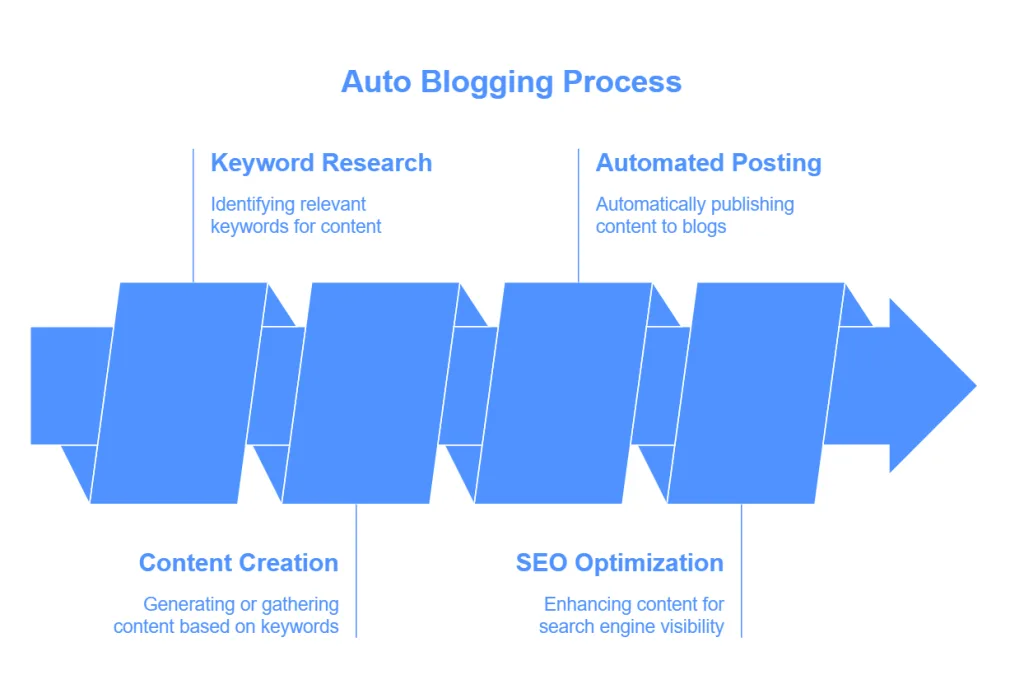
Auto blogging is the practice of using tools and automation to generate, optimize, and sometimes even publish blog posts with minimal manual input. Modern platforms can research keywords, pull from videos or briefs, draft articles, add images, and schedule posts straight to WordPress, Webflow, Ghost, and more.

In 2026, this usually means AI‑powered systems that churn out long‑form, SEO‑ready content at scale—sometimes dozens of articles per day—if you let them. The real question isn’t “can you auto‑blog?” anymore; it’s “should you auto‑blog like that and expect to survive Google updates?”
What today’s auto‑blogging tools actually do
AI auto‑blog platforms have leveled up compared with old RSS scrapers. Typical features now include:
-
One‑click generation of SEO‑optimized articles based on a topic or keyword list.
-
Bulk creation and scheduling of dozens of posts directly into CMSs.
-
Automatic image generation and insertion to match each article’s content.
-
Built‑in schema markup (Article, FAQPage, HowTo) for richer snippets.


Some tools even analyze top‑ranking pages in real time to mimic their structure, headings, and semantic coverage before writing your article. Used wisely, that’s an amazing research accelerator; used lazily, it’s a recipe for look‑alike “me too” content.
Google’s rules: AI and auto content after 2024 updates
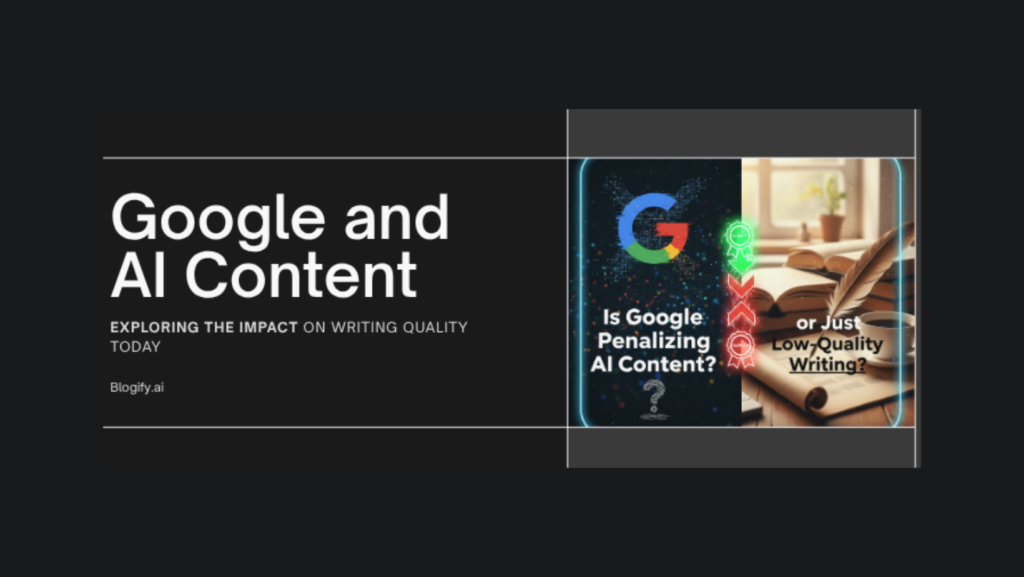
Here’s the part you can’t ignore. Google has made it clearer than ever that it doesn’t care whether content is AI‑written or human‑written; it cares whether it is helpful, original, and not spam.
Recent spam updates introduced and expanded policies against scaled content abuse, which targets sites that generate many pages mainly to manipulate rankings rather than help users. Case studies from those updates show that stitched‑together, low‑value or generic AI content has been deindexed or heavily demoted.
Key takeaways from Google‑aligned guidance:
-
AI content is allowed and can rank if it’s high‑quality and meets EEAT standards.
-
Thin, recycled, or automatically scaled content made “just to rank” can trigger manual actions or algorithmic drops.
So pure “set‑and‑forget” auto blogging that floods the web with unedited articles is squarely in the danger zone.

Auto blogging vs EEAT: conflict or superpower?
EEAT (Experience, Expertise, Authoritativeness, Trustworthiness) doesn’t magically appear because an AI wrote 50 posts for you. In fact, pure automation without oversight usually destroys it.
To align auto blogging with EEAT, you need to:
-
Inject firsthand experience (case studies, real examples, original data, screenshots) into AI drafts.
-
Add expert commentary or review, especially in YMYL‑style topics (finance, health, legal).
-
Maintain clear author bios and site transparency so users know who’s behind the content.
-
Edit aggressively for accuracy, nuance, and context rather than publishing raw outputs.
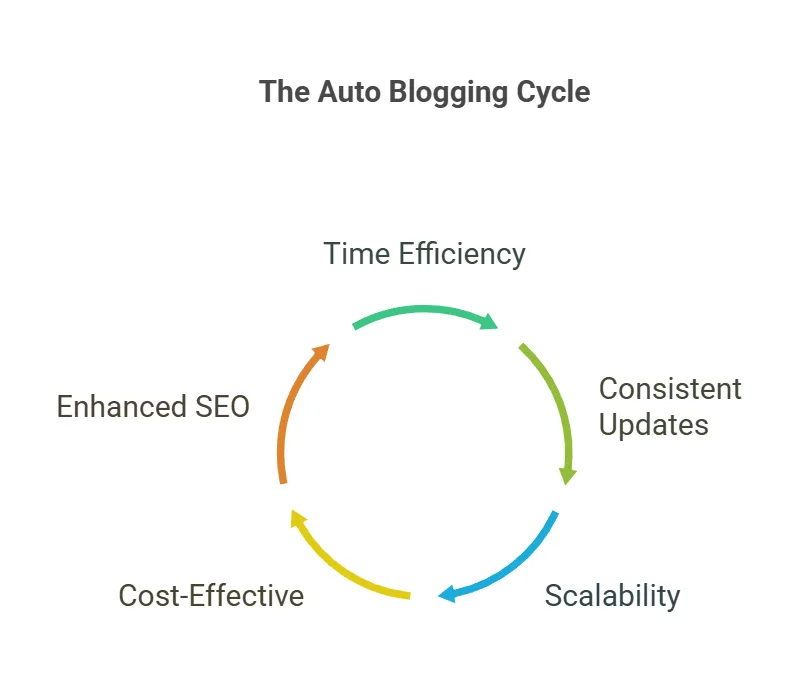
In that setup, “auto blogging” becomes more like semi‑automated editorial production instead of spammy content farming.

Good vs bad auto blogging in 2026
When auto blogging works (and is relatively safe)
Guides that lean into ethical AI workflows recommend using automation for:
-
Turning long videos, podcasts, or webinars into draft blog posts for human polishing.
-
Creating supporting articles around a topic cluster, then manually tightening, fact‑checking, and interlinking them.
-
Generating outlines, FAQs, and schema from your own long‑form pillar content.
Here, AI speeds up grunt work, while humans keep strategy, quality, and EEAT intact.
When auto blogging becomes spam
On the flip side, the patterns that keep showing up in spam‑update case studies look like this:
-
Thousands of lightly edited posts across random topics, all created within a short period.
-
Content that feels stitched, generic, or slightly rephrased from existing pages.
-
Sites with very weak about pages, no author credibility, and obviously ad‑heavy layouts.

That’s exactly the kind of “scaled content abuse” Google built its newer systems to detect and demote.
FAQs about auto blogging in 2026
Is auto blogging still profitable?
It can be, but only when automation supports a real strategy—like scaling content in a focused niche with strong editing and monetization—rather than spamming every keyword possible.
Does Google penalize AI‑generated content?
Google penalizes low‑quality content, not AI itself; AI‑written articles can rank if they provide original, accurate, and genuinely helpful information, but thin automated pages created primarily to manipulate rankings can be hit by spam policies.
Can I use tools like auto‑blog platforms safely?
Yes, if you treat them as drafting and research tools: review every article, add your own expertise, fix inaccuracies, and ensure each page serves a clear user need instead of existing just to catch impressions.
How much automation is “too much”?
There’s no exact number, but when your output scales faster than you can sensibly review, fact‑check, and improve it, you’re approaching the line where Google might see your site as scaled content abuse.

What niches suit semi‑automated blogging?
Analyses of automated blogging niches suggest it works best in areas where information updates often but isn’t life‑or‑death—things like software tools, entertainment, travel inspiration, and hobby content—always with human review on top.
A practical, EEAT‑friendly auto‑blogging workflow
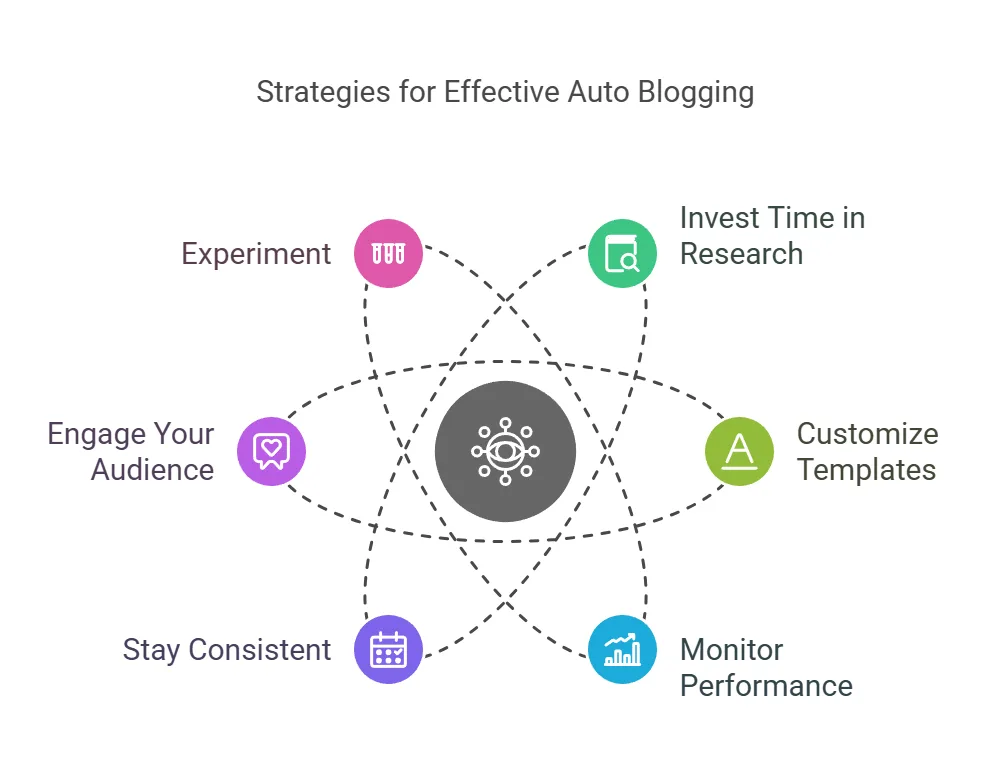
If you want to tap into automation without blowing up your domain, a safer 2026 workflow looks like this:
-
Pick one tight niche and search intent.
Don’t auto‑blog across 20 industries; focus on a clear topic where you actually have knowledge or are willing to dive deep. -
Use AI for research and first drafts, not final posts.
Feed tools structured prompts, competitor gaps, and your own notes, then treat what comes out as a starting point.
-
Layer in your real‑world experience.
Add screenshots, original examples, process breakdowns, and case‑style stories only you can tell. -
Optimize for readers first, search second.
Check that every post answers a real question, flows logically, and doesn’t read like a stitched list of keywords. -
Publish at a sustainable pace.
Scale only as fast as you can keep quality high; it’s better to ship 20 great pages than 2,000 flimsy ones before the next core update.
Should you build an “auto blog” in 2026?
If “auto blog” to you means “hands‑off AI site that magically prints money,” that’s basically a shortcut to future penalties or slow death by updates. If it means “a lean content system where AI helps, but humans own the expertise, editing, and strategy,” then yes—auto blogging can seriously multiply what you’re already good at.
If you want, share your niche, current traffic level, and how heavily you’re thinking of leaning on automation. With that, a realistic, EEAT‑aligned auto‑blogging plan for 2026 can be sketched that keeps you on the right side of both rankings and long‑term brand trust.