

What is arbitrage blogging in 2026?
Arbitrage blogging in 2026 is like trying to day‑trade attention: you’re buying traffic cheap, sending it to ad‑heavy pages, and praying the RPM gods bless you before a policy update nukes the whole thing. It can work, but it’s risky, volatile, and absolutely not the same as building a long‑term, EEAT‑friendly content brand.
What is arbitrage blogging in 2026?
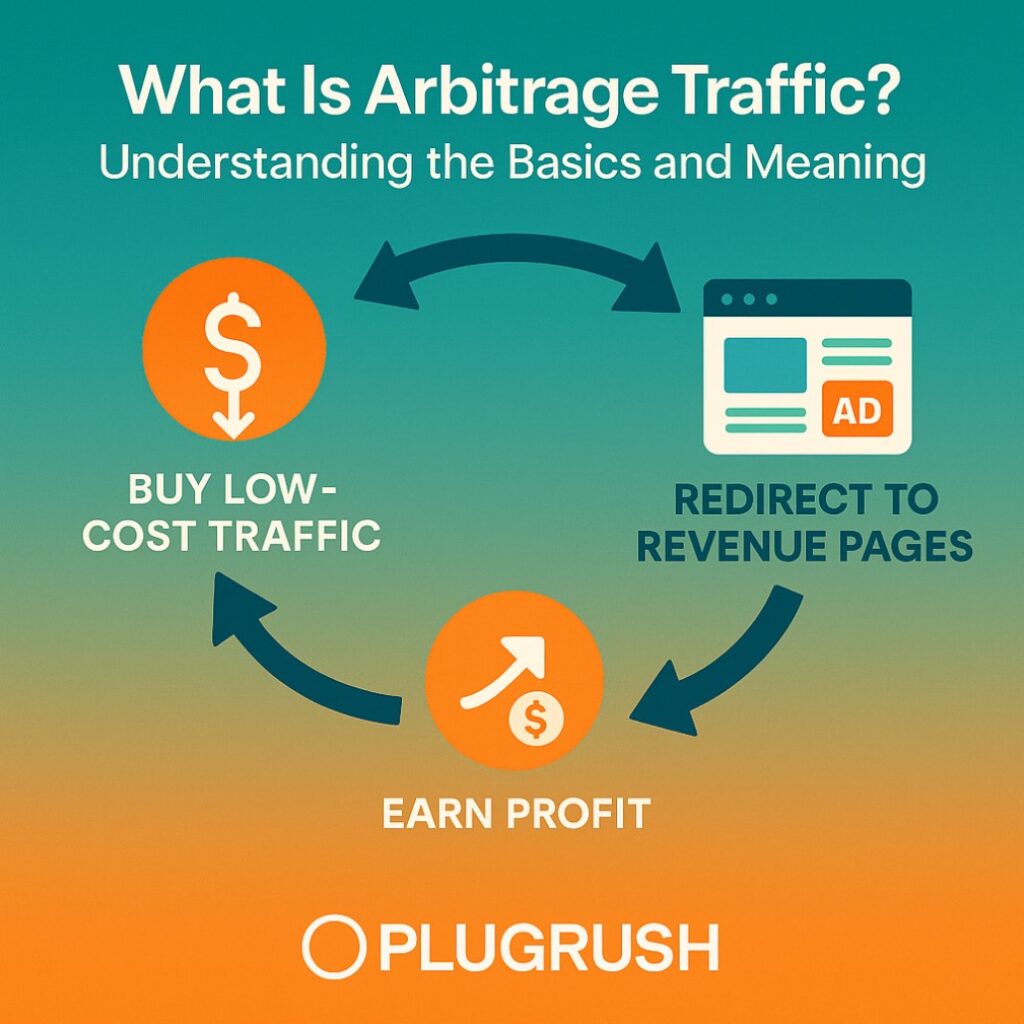
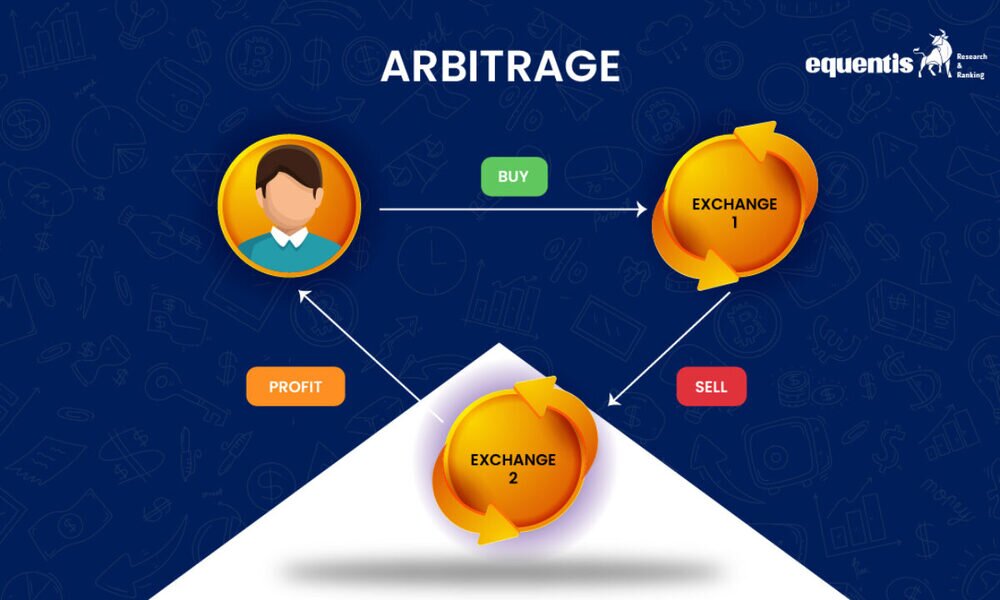
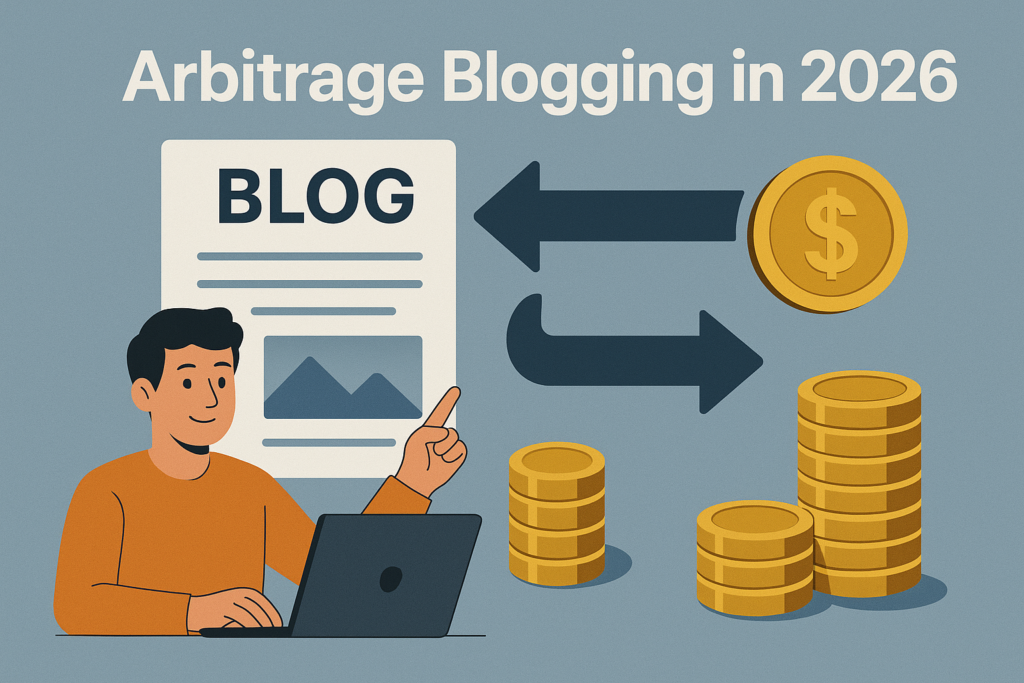
Arbitrage blogging (or ad/traffic arbitrage) is a model where you pay for visitors from ad platforms, then monetize them with higher‑paying ads, search feeds, or affiliate offers on your site, aiming to pocket the difference. Instead of relying on SEO or organic traffic, you treat traffic like a commodity—buy low from Facebook, native ads, or push networks and “sell high” via AdSense, AdX, or native ad networks.

A typical setup: cheap clicks from native or social ads → clickbait‑style landing page → multiple ad units or high‑CPC placements trying to squeeze out more revenue than you paid per click. When the math works, it feels magical; when it doesn’t, you burn cash fast.
How the math of ad arbitrage works
Guides on traffic arbitrage explain the core formula very bluntly: profit only happens if your revenue per visitor is higher than your cost per visitor.
-
You buy traffic from platforms like Facebook Ads, Google Ads, Taboola, Outbrain, MGID, or push networks.
-
You send that traffic to pages monetized with AdSense, AdX, native ads, search feeds, or aggressive affiliate layouts.
-
You obsess over metrics like CPC, CPM, RPM, and CTR until the campaign finally shows a margin—or drains your budget.
It’s basically media buying wrapped in blogging clothes; the “blog” is just the container for ads and funnels, not the business itself.

What Google actually says about traffic arbitrage
Here’s where things get spicy. Publisher‑focused resources note that Google doesn’t label traffic arbitrage as illegal by default; you’re allowed to promote your site with paid ads as long as all traffic complies with program policies.
But policies around AdSense and ad traffic are strict:
-
No invalid, misleading, incentivized, or automated traffic.
-
No deceptive layouts or encouraging users to click ads.
-
Content must be original, valuable, and not thin or scraped.
If Google sees low‑quality content, abnormal click patterns, or pages where ads massively outweigh useful content, it can limit ad serving or suspend your account, often permanently. So yes, arbitrage can technically be allowed—but you’re walking a tightrope.
Why arbitrage blogging is so risky in 2026
Recent deep‑dives into AdSense arbitrage outline several harsh realities:

-
Account risk – Thin content, misleading creatives, or bad traffic sources can trigger ad‑limits or permanent bans from AdSense/AdX and even ad platforms themselves.
-
Financial volatility – You often spend large sums testing campaigns before any profit, then a small policy or auction shift can kill that margin overnight.
-
Fraud and chargebacks – Low‑quality networks and fake traffic can lead to clawbacks where networks reclaim previously paid earnings.
-
Short shelf life – Unlike SEO blogs that can rank for years, arbitrage campaigns tend to be temporary “windows” before creatives fatigue or rules change.
In plain English: arbitrage is gambling with more variables, more rules, and much higher stakes than most new bloggers realize.
Arbitrage blogging vs value‑driven blogging
Many monetization experts now frame arbitrage as a short‑term cash play, not a brand‑building strategy.
Value‑driven blogging focuses on:

-
In‑depth, original content targeting real search intent.
-
Building topical authority, backlinks, and loyal readers.
-
Monetization via a mix of display ads, affiliates, email lists, and products.
Arbitrage blogging focuses on:
-
Fast pageviews from paid traffic.
-
Maximizing ad impressions per session with multi‑page funnels.
-
Constantly tweaking creatives and bids like a media buyer.


If your long‑term goal is EEAT, brand deals, high‑value affiliates, or products, arbitrage campaigns can actually damage trust—both with users and platforms.
EEAT and arbitrage: do they even mix?
EEAT (Experience, Expertise, Authoritativeness, Trustworthiness) is all about user value, not clever ad layouts. Arbitrage sites often:
-
Use clickbait headlines that don’t fully match page value.
-
Prioritize ad density over readability or helpfulness.
-
Focus on short sessions and page churn, not satisfying user intent.
That’s the exact opposite of what Google’s quality guidelines and modern ranking systems reward. So while you might make some money in the short run, you won’t build the kind of EEAT‑strong site that survives updates and feeds AI overviews.
Safer, “EEAT‑friendly” ways to use paid traffic
If you like the idea of buying traffic but don’t want to live on the edge, some guides suggest shifting your mindset from arbitrage to amplification.

-
Use paid ads to promote high‑quality content that genuinely solves problems and naturally leads to email signups or offers.
-
Send traffic to lead magnets, webinars, or value‑dense guides instead of pure ad‑farms.
-
Optimize for lifetime value (LTV) instead of quick ad clicks—email subscribers, course buyers, long‑term readers.
This still involves “buy low, earn high,” but the profit comes from trust and products rather than wringing pennies out of ad impressions.
FAQs about arbitrage blogging in 2026
Is arbitrage blogging legal?
Yes, traffic arbitrage as a concept is legal, and even AdSense resources acknowledge that publishers may buy traffic, as long as all sources and on‑site behavior comply with program policies.
Is AdSense arbitrage still profitable?
It can be, but profits are highly unstable because ad costs, RPMs, and policies change frequently; many 2025–2026 analyses describe it as high‑risk and unsuitable for beginners without deep testing budgets.
Can Google ban you for arbitrage?
Google can limit or disable ad serving if it detects invalid, misleading, or low‑quality traffic, excessive ad density, or thin content, all of which are common in poorly managed arbitrage setups.
Is arbitrage a good way to start blogging?
Most publisher‑oriented guides advise beginners to focus on SEO blogging, authority content, and diversified monetization instead of arbitrage, which requires advanced media‑buying skills and serious capital.
What’s the safest alternative?
A safer path is building a quality niche blog, using long‑form helpful content, and monetizing with ads, affiliates, and email lists—then optionally using paid ads to promote high‑value pages or lead magnets rather than ad‑farm funnels.
Should you touch arbitrage blogging in 2026?
Honestly, if you’re a numbers‑obsessed media buyer with strong risk tolerance, legal awareness, and backup revenue streams, arbitrage blogging is just another aggressive strategy in the toolbox. But if you’re trying to build a stable, policy‑safe business that can survive algorithm changes and power real EEAT, purely arbitrage‑driven blogs are a detour, not a destination.