

The creator economy behind blogging and vlogging
Blogging and vlogging in 2026 feel less like “posting on the internet” and more like running your own tiny media company from a laptop and a smartphone. With AI tools, short‑form video, and smarter search all colliding, creators who mix written content and video are grabbing the biggest slice of attention (and revenue).
The creator economy behind blogging and vlogging
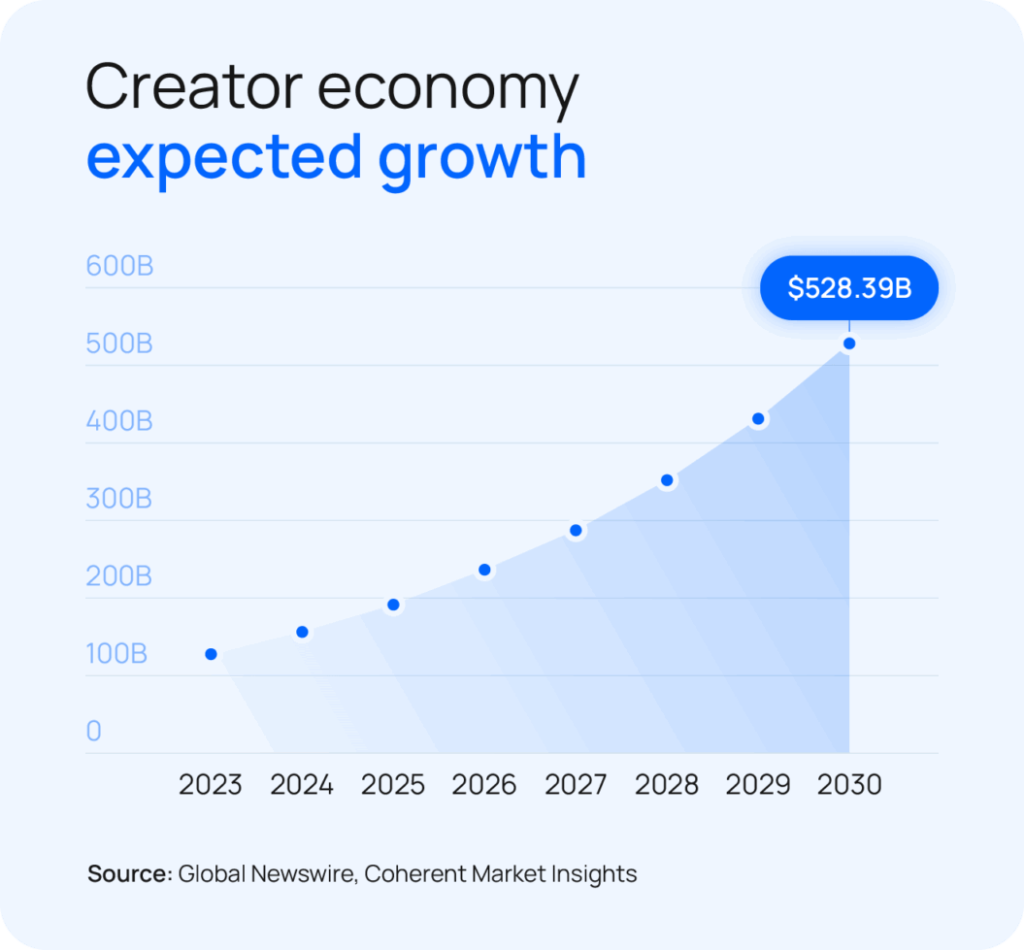
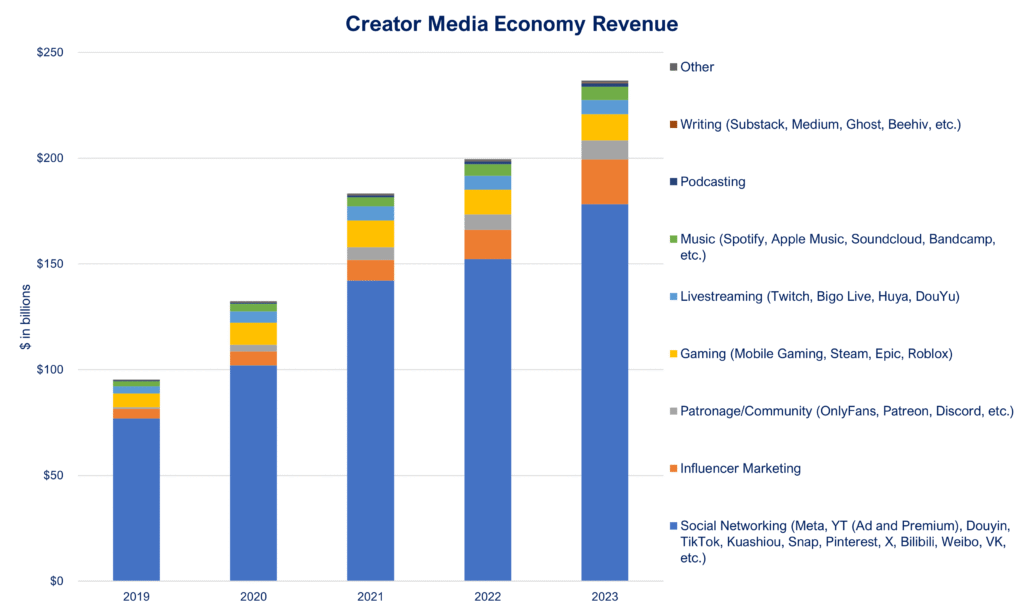
The creator economy is projected to cross hundreds of billions of dollars in value before 2030, powered by over 200 million active content creators worldwide. Only a small percentage make six figures, but more bloggers and vloggers than ever are building real side incomes through ads, brand deals, and digital products.
 creator economy, blogging and vlogging, digital creators, content creators, influencer marketing, creator monetization, YouTube vloggers, blogging income, vlogging income, social media creators, content monetization, brand sponsorships, affiliate marketing, creator partnerships, creator platforms, creator economy trends 2026, creator entrepreneurship, digital content industry, creator economy growth, creator economy statistics, creator business models, passive income for creators, blogging careers, vlogging careers, creator marketing, creator economy future, creator economy platforms, monetizing blogs and vlogs, creator branding, creator community, creator tools, creator economy ecosystem, online creators, creator revenue streams
This means competition is brutal, but demand is huge—brands, platforms, and audiences all want useful, trustworthy, relatable content in both text and video form. If you’re willing to show real expertise and personality instead of generic “Top 10” fluff, there’s still plenty of room at the table.
Blogging in 2026: not dead, just different
Contrary to the “blogging is dead” hot takes, long‑form content is making a comeback thanks to AI search and answer‑engine optimization (AEO). Businesses still rely on blogs to capture organic traffic, educate customers, and feed AI assistants with high‑quality source material.
Trends guides for 2026 point to:
-
AI‑assisted writing workflows for drafts, outlines, and updates.

-
More multimedia posts that mix text, images, audio, and embedded video.
-
Conversational, question‑driven formats that answer specific user intents (perfect for voice and AI search).

So blogs that read like human conversations, backed by real experience and up‑to‑date data, are exactly what both Google and generative AI tools want.
Vlogging in 2026: video is the default language
On the vlogging side, short‑form vertical video is now the default content format on platforms like TikTok, Instagram Reels, and YouTube Shorts. Studies show that Gen Z and Millennials overwhelmingly consume short, snackable clips, which get more engagement and shares than traditional long videos.
At the same time, long‑form video and live streams are resurging for deep dives, tutorials, and community‑building, especially on YouTube. Video marketing reports suggest that by 2026, the vast majority of marketing videos will be AI‑assisted or AI‑generated in some part of the workflow, drastically cutting production time.
Blogging vs vlogging: key differences in 2026
| Aspect | Blogging (2026) | Vlogging (2026) |
|---|---|---|
| Main format | Written articles, enhanced with images and embeds. | Short‑form and long‑form video across social platforms. |
| Discovery | Search engines, AI overviews, email, social shares. | Social algorithms, “For You” feeds, video search. |
| Production cost | Lower gear requirements; higher research/writing time. | Higher gear/time initially; AI tools lowering barriers. |
| Monetization | Ads, affiliates, digital products, services. | Ad revenue, brand deals, memberships, shoppable video. |
| Strengths | Depth, SEO, evergreen authority. | Emotion, relatability, fast audience growth. |
In practice, the most resilient creators are doing both at some level—blog for depth and search, video for reach and connection.

How AI is reshaping blogging and vlogging
AI is quietly becoming the “invisible intern” behind most successful creators. Blogging forecasts for 2026 highlight automated content briefs, internal‑linking suggestions, and SEO optimization handled by smart tools.
On the video side, generative AI can already help with:
-
Script drafting and outline creation.
-
Auto‑captions, translations, and repurposing clips into multiple formats.
-
Even AI‑generated B‑roll or entire scenes for explanatory videos.
Experts keep stressing that the winners are the ones who pair AI efficiency with human authenticity—using tools to handle the grunt work but keeping the story, perspective, and on‑camera energy genuinely human.

Blogging + vlogging together: your 2026 power combo
By the way, the real magic happens when you stop treating blogging and vlogging as separate worlds. Smart creators build a content “stack” where each piece feeds the others.
A simple flow many marketers recommend:
-
Record a long‑form video or deep‑dive vlog.
-
Turn the transcript into a blog post optimized for search and AI snippets.
-
Cut the video into short clips for TikTok, Reels, and Shorts to drive discovery.
-
Embed the video in the blog to improve dwell time and engagement.

This way, one core idea becomes text, long video, short video, and even an email newsletter—exactly the multi‑channel distribution experts say will define successful creators in 2026.
FAQs: blogging and vlogging in 2026
Is blogging still profitable in 2026?
Yes. Blogging still drives organic traffic, leads, and sales for businesses, especially when combined with SEO, email lists, and digital products; it’s just more competitive, so quality and niche focus matter far more than volume.
Is vlogging better than blogging?
Neither is “better” overall; vlogging is usually faster for building emotional connection and social reach, while blogging is stronger for long‑term search visibility and in‑depth education, so combining both works best for most creators.
Do you need AI tools to succeed?
You can technically create without AI, but current trends show that AI‑assisted workflows dramatically cut production time for both written and video content, which makes them hard to ignore in a crowded creator economy.
How do bloggers and vloggers make money now?
Most earn from a mix of brand deals, ad revenue, affiliate marketing, memberships, and selling courses or digital products, as statistics show that relying on a single income stream is increasingly risky.
Is it too late to start in 2026?
It’s crowded, but not closed; data shows millions of “nano‑creators” with small but profitable audiences, and new channels succeed every year by going niche, being relatable, and publishing consistently.

Your next move as a 2026 creator
If you’re on the fence, here’s a simple way to start without overthinking it:
-
Pick one written platform (a blog or publishing CMS) and one video platform (YouTube or a short‑form app).
-
Commit to documenting one niche—finance, tech tools, cooking, anything you actually enjoy—through both formats for the next 90 days.
-
Use AI to speed up scripts, outlines, and repurposing, but keep your stories, examples, and opinions genuinely yours.